At the Derner School of Psychology, you’ll enjoy all the options you’d find at a large university—from bachelor’s to master’s to doctoral and postdoctoral psychology programs—along with the advantages of personalized mentoring and student support.
And you’ll study at a school with a storied history and an international reputation. The first university-based professional school of psychology, Derner has long been recognized as a center for psychoanalytic thought and a leading contributor to the practice of integrative psychotherapy. We continue building on this tradition with our commitment to empirical research, interdisciplinary collaboration and social justice.
Explore Our Psychology Programs
Top-rated programs at every level of study
Undergraduate Study
Gain deep insights into the mind and behavior and prepare for graduate study or a career in almost any field. Choose from bachelor’s degrees in psychology or neuroscience, or take a direct path to a master’s degree with our accelerated 4+1 psychology program.
Undergraduate PsychologyMaster’s Study
Develop professional skills in our MA programs in general psychology, mental health counseling, and school psychology. Each includes optional specializations and valuable field placements. Study full or part time.
Master’s PsychologyDoctoral Study
Our PhD in Clinical Psychology and PsyD in School Psychology programs integrate research, theory and clinical practice. You’ll work with faculty who are leaders in the field and train in program-run clinics, internships, externships, and local schools.
Doctoral PsychologyPostgraduate Study
Receive advanced training in psychoanalysis and psychoanalytically oriented psychotherapy. Options include child and adolescent psychotherapy, couples therapy, group psychotherapy, and trauma treatment.
Postgraduate PsychologyAcclaimed academics and training in psychology programs committed to mentoring

Internships and Clinical Experience
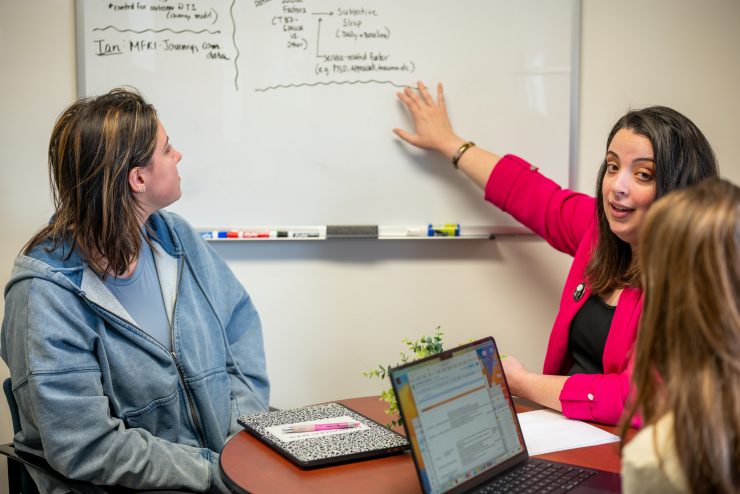
Hands-on learning and clinical training are central to Derner psychology programs. Undergraduates gain practical experience in internships as part of their capstone experience as seniors. Master’s students gain clinical competency skills through a practicum and internships in local hospitals, schools, agencies and organizations. Clinical training is at the heart of doctoral education, with students gaining experience in Adelphi clinics as well as in local hospitals and schools.
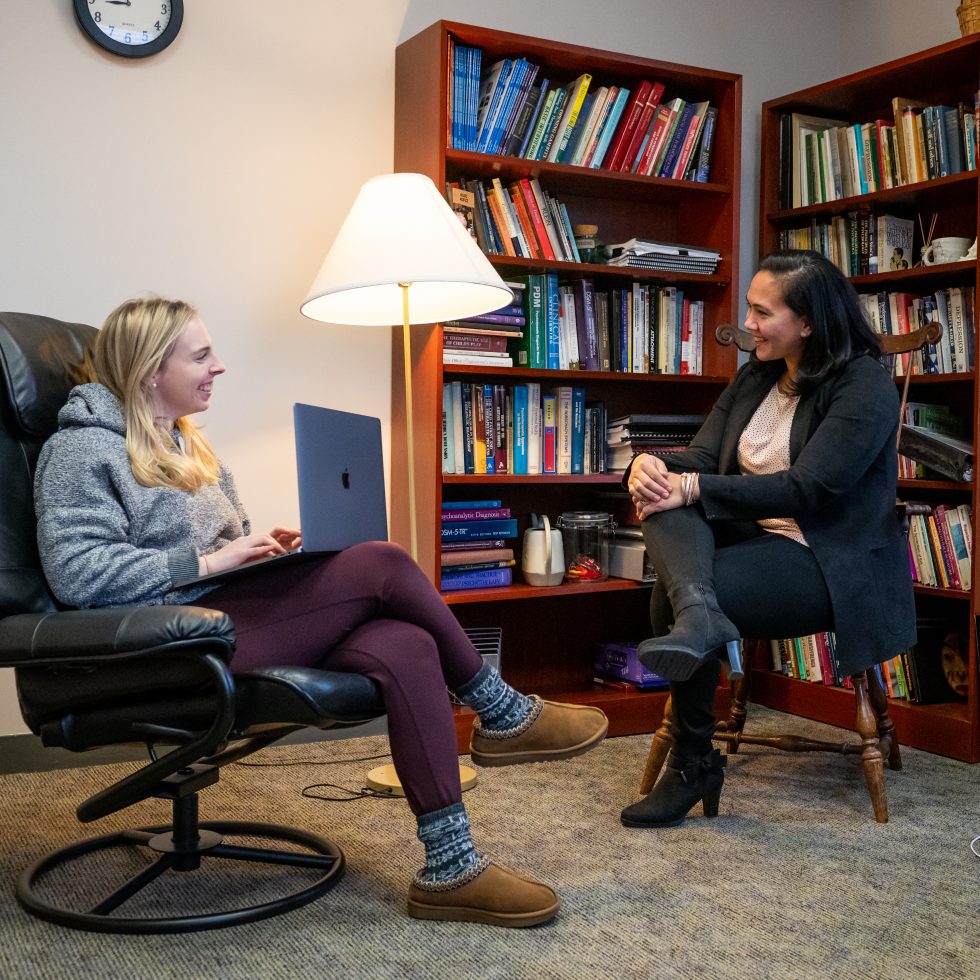
Monica Pal, PhD '13 (at right), is the director of Adelphi’s Center for Psychological Services and director of Practicum Training.
Services for the Community
The Derner School of Psychology has a 50-year tradition of providing high-quality, affordable psychological services to individuals of all ages, families, couples and groups. Staffed by Derner doctoral students, its Center for Psychological Services offers specialized treatment programs on campus in Garden City, in New York City, and at the Derner Child and Family Center. The Postgraduate Psychotherapy Center, a clinical branch of Derner’s postgraduate programs, provides professional psychoanalysis and psychodynamic psychotherapy to Long Island and the surrounding area.
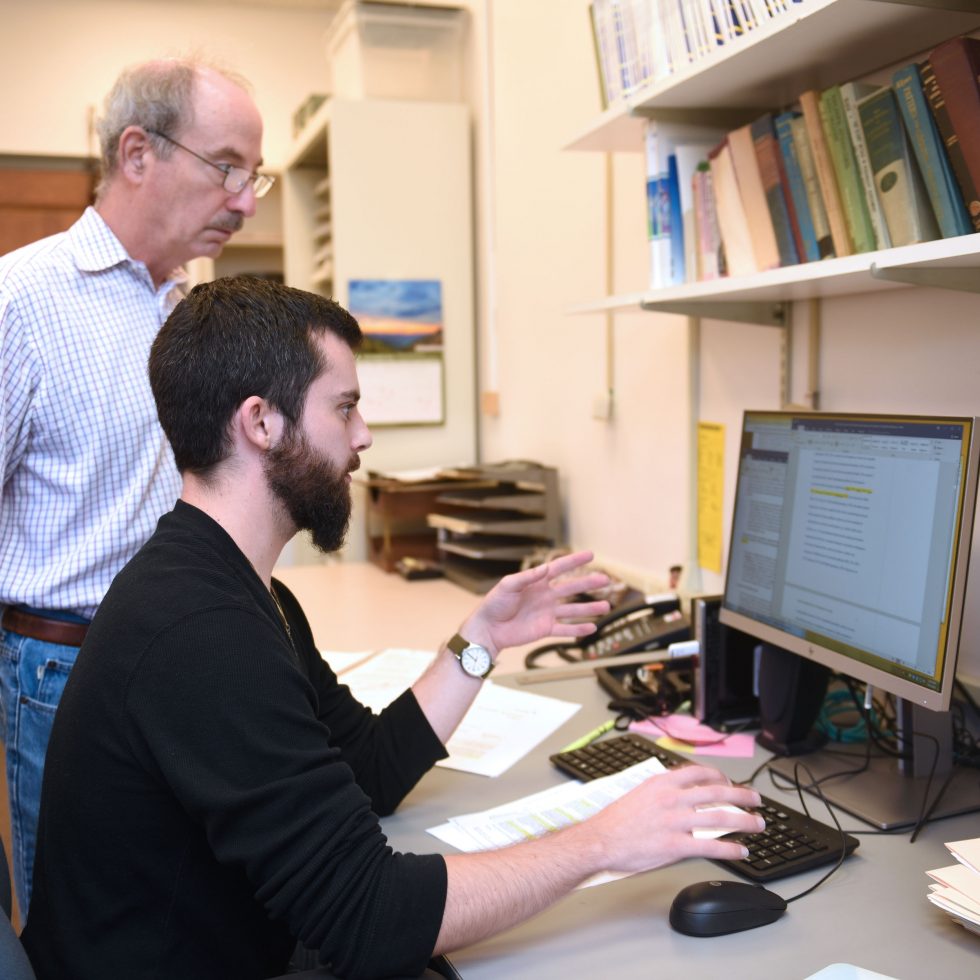
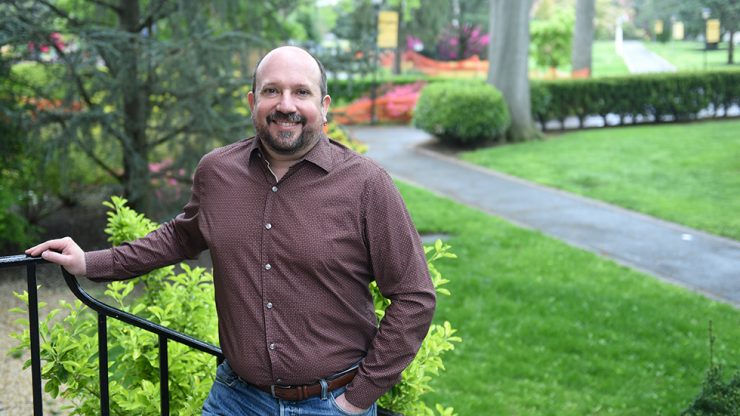
Robert F. Bornstein, PhD, whose achievements as a scholar have earned him the distinguished title of University Professor, works closely with students. More than 60 undergraduate and graduate students have co-authored peer-reviewed papers originating in his research lab.
Shaping Understanding Through Research
Research conducted at the Derner School has had a significant impact on the field of psychology and therapeutic practice. Faculty members have received prestigious awards for career contributions to research in a variety of areas, from the psychotherapeutic relationship to personality assessment, school psychology, and issues of diversity. Doctoral students regularly co-author published articles with faculty members, and undergraduates present their work annually at Adelphi’s Research Day.
A Commitment to Cultural Diversity and Social Justice
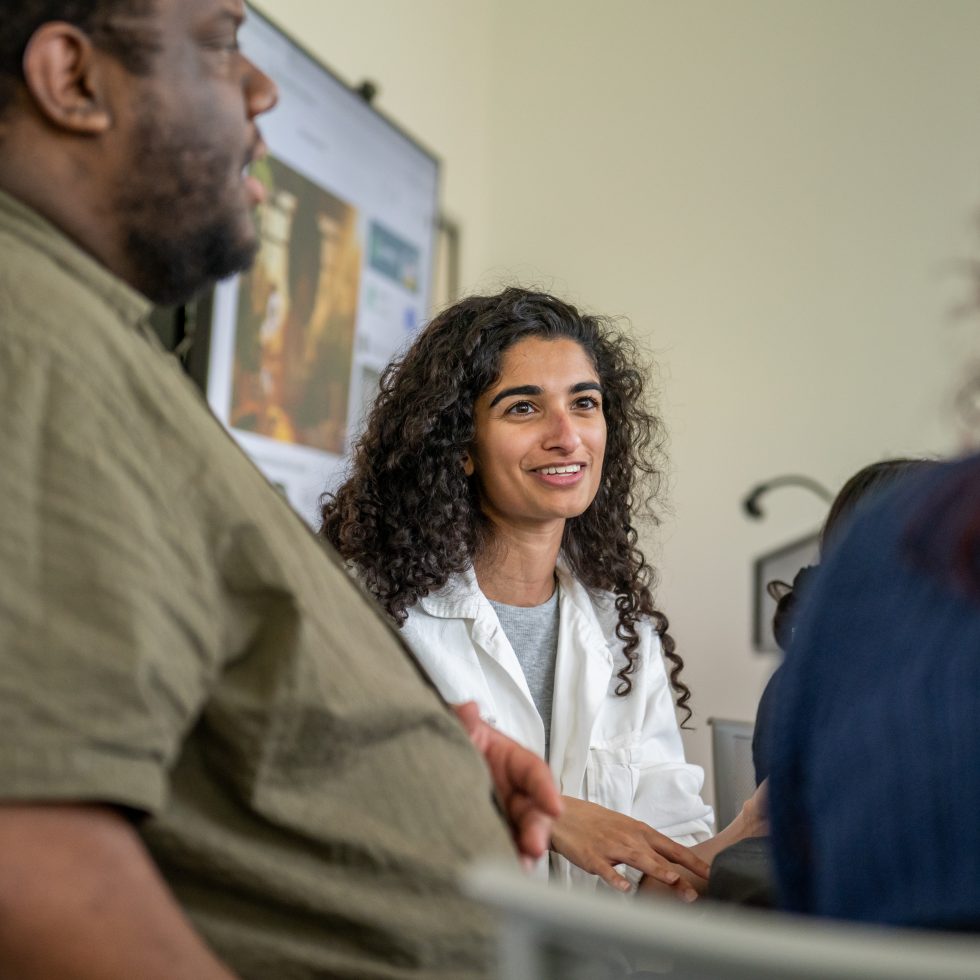
Maintaining a diverse faculty and student body, and addressing issues of diversity through our curriculum, are top priorities at Derner. Diversity of perspectives is a strength of our school, helping students prepare to meet the needs of individuals from across society and enriching our understanding of the human condition. Our Patrick L. Ross Fellowship Fund provides vital assistance to our graduate students from diverse backgrounds, and our Mentoring Future Psychologists program offers culturally responsive guidance to students from underrepresented groups.
Making Your Degree Affordable
Psychology News
View All Psychology News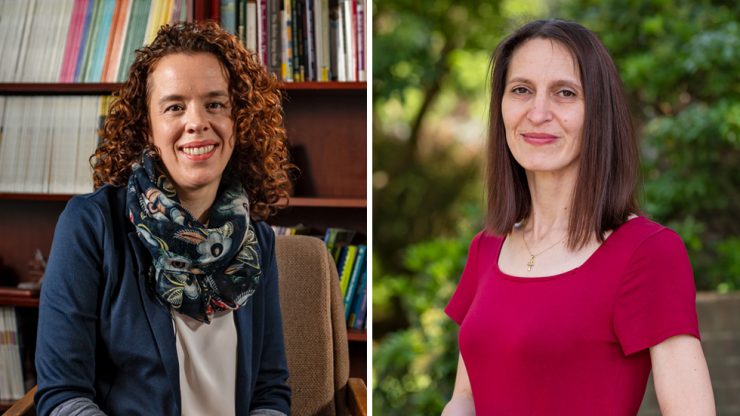


Upcoming Events


Recognition & Accreditation